WordPress Support Services – Maximizing ROI
Partial. The site is still slow.
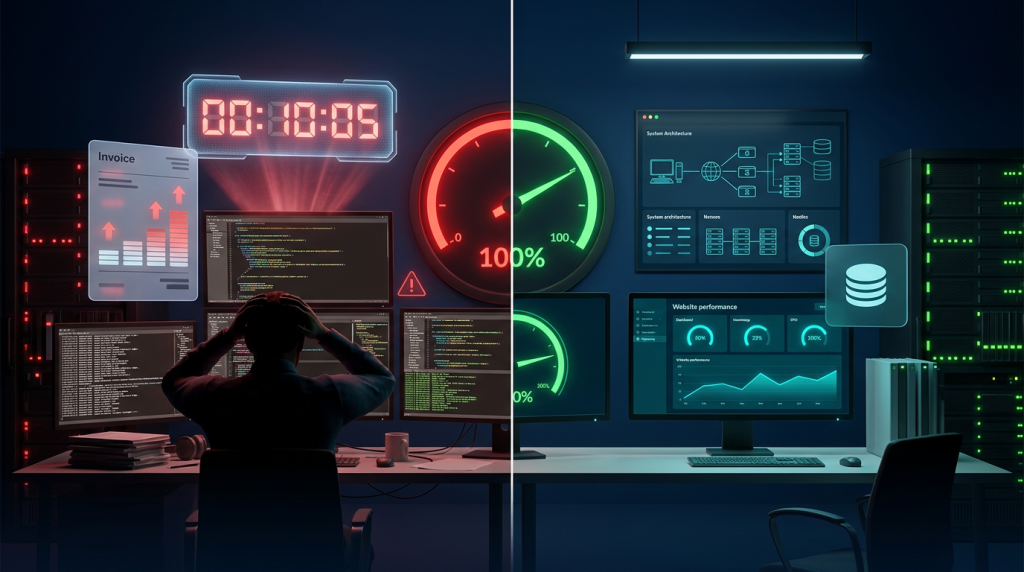
You paid $1,500 for a process, not an outcome. That is the hourly billing model in its purest, most honest form: you absorb the cost of someone else’s uncertainty.
What is Resolution-Based Support? It is a wordpress support services model where you pay for a guaranteed outcome — uptime, confirmed bug fixes, measurable performance improvements — rather than the number of minutes a developer spends in a code editor. The risk of complexity transfers to the provider. You pay once. The problem gets solved. Full stop.
The Dishonest Incentive Buried Inside Every Hourly Invoice
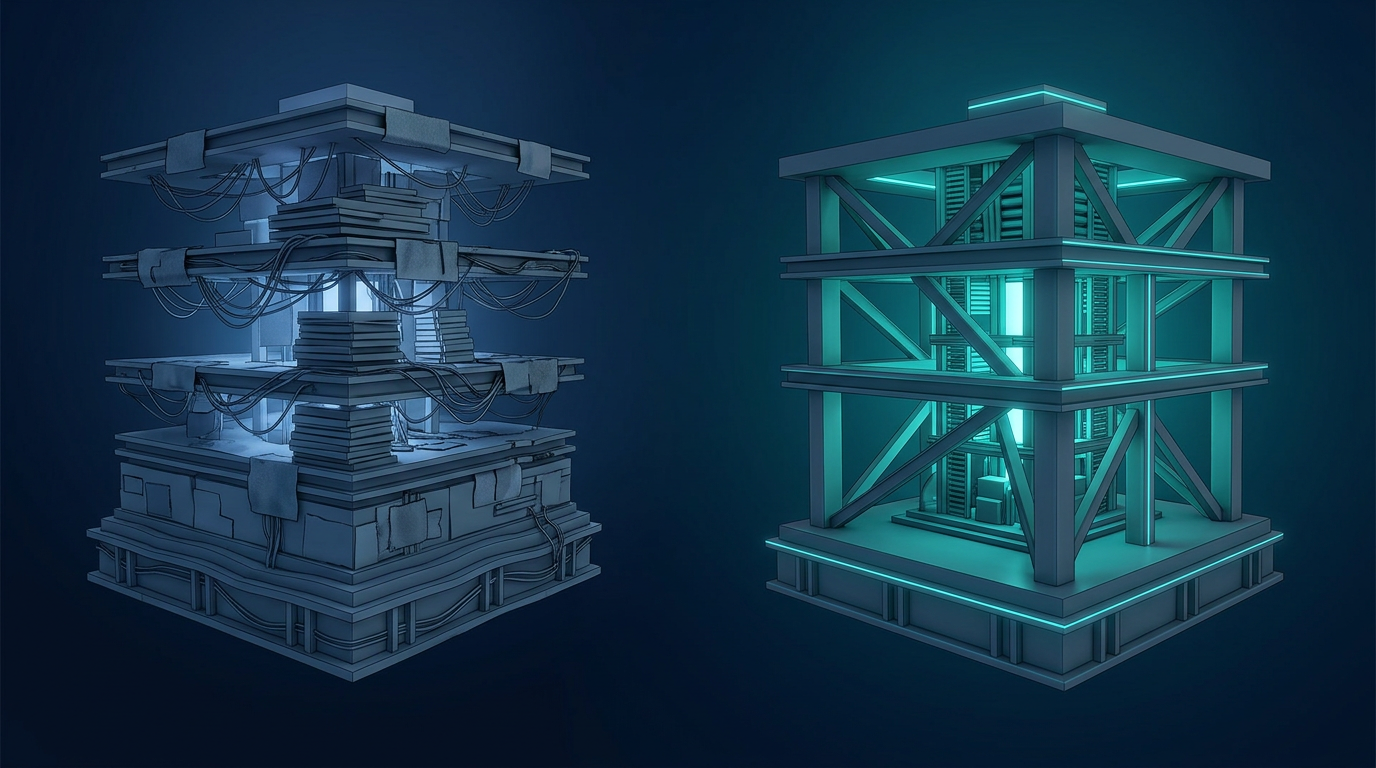
Hourly billing has a structural flaw that nobody in the agency world wants to say out loud: the slower they work, the more they earn.
This is not a character judgment. It is an incentive problem. When a developer knows their revenue is directly tied to time-on-task, the subconscious pull toward thoroughness-for-its-own-sake is enormous. Why deploy a 20-minute fix from a pre-built internal framework when a “comprehensive audit” justifies four hours?
We call this the Slow-Motion Tax: the premium you pay not for expertise, but for the appearance of effort. Furthermore, WordPress.org’s official support documentation confirms that most common site issues have well-documented, repeatable solutions — yet agencies routinely bill discovery time as if every problem is unique.
Similarly, when comparing wordpress support services providers, it is worth reviewing WPscaleops maintenance plans to understand how outcome-based contracts are structured.
Real-World Analogy: Imagine hiring a plumber who charges by the hour, and they make slightly more money the longer your pipe leaks. They’re not sabotaging you — but are they racing to fix it? Or are they “doing a thorough inspection of the entire water system” first? In hourly billing, urgency is your incentive, not theirs.
The agency isn’t necessarily dishonest. The model is. And you’re funding it every single month.
Why Fast WordPress Support Services Are a Liability in an Hourly World
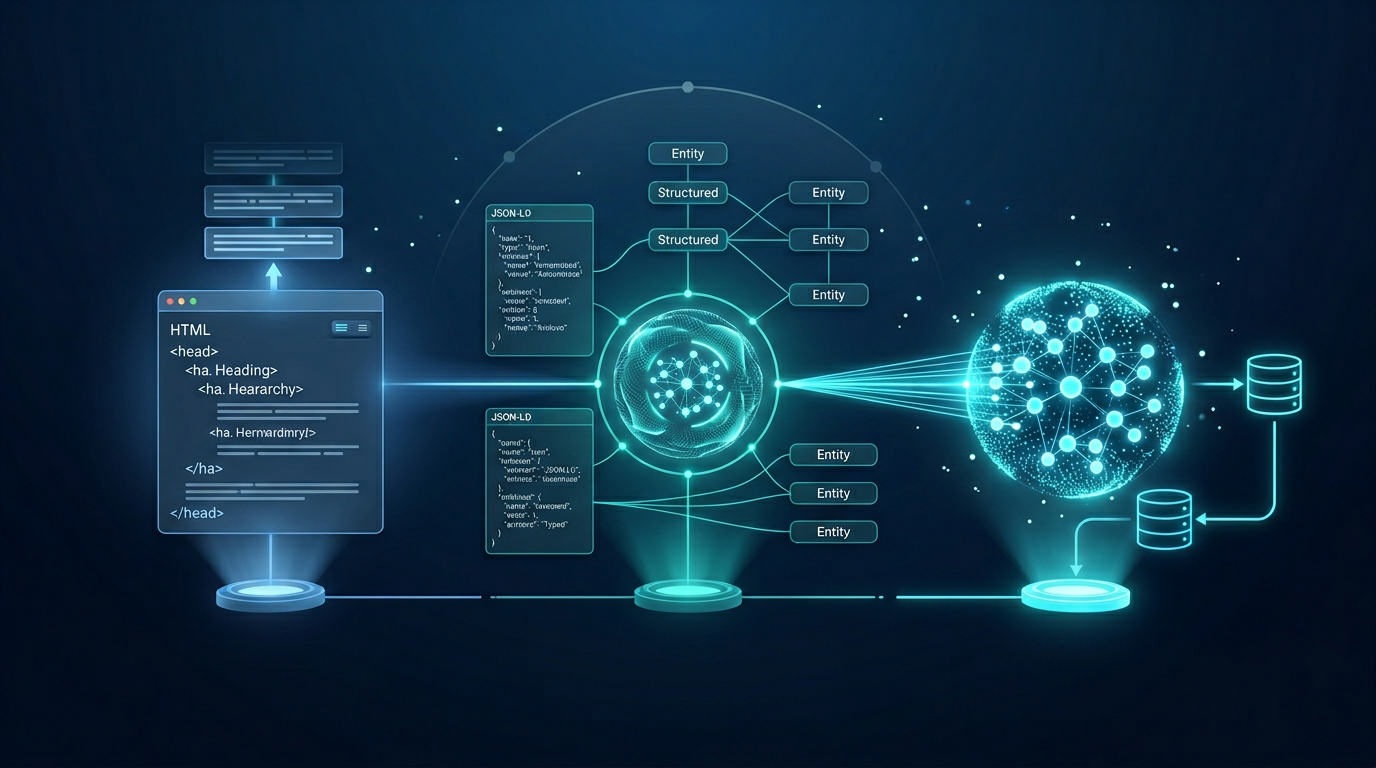
At WPscaleops, our wordpress support services use advanced server monitoring, pre-configured diagnostic frameworks, and internal resolution playbooks that most agencies spend 6–8 hours building from scratch on every engagement. We often identify and resolve a critical issue in under 90 minutes that a standard agency would bill for a full day.
In an hourly model, that speed would cost us $900 in revenue every time we used it.
That is the fundamental reason why highly skilled, well-tooled engineers rarely thrive inside hourly billing structures. Their efficiency is a financial disadvantage. So either they slow down to match what the market rewards, or they move to a resolution-based model where speed is the entire value proposition.
We chose the second path. When we resolve your issue in 90 minutes instead of 8 hours, we don’t bill you less — we just solved your problem faster. That’s what incentive alignment actually looks like in practice.
Our monitoring stack catches anomalies before they become outages. Our frameworks skip the “exploration phase” that pads most invoices. You are paying for a solved problem, and we are motivated to solve it as cleanly and permanently as possible — because if it breaks again, the cost is ours, not yours.
Predictable Costs: The CFO Case for Better WordPress Support Services

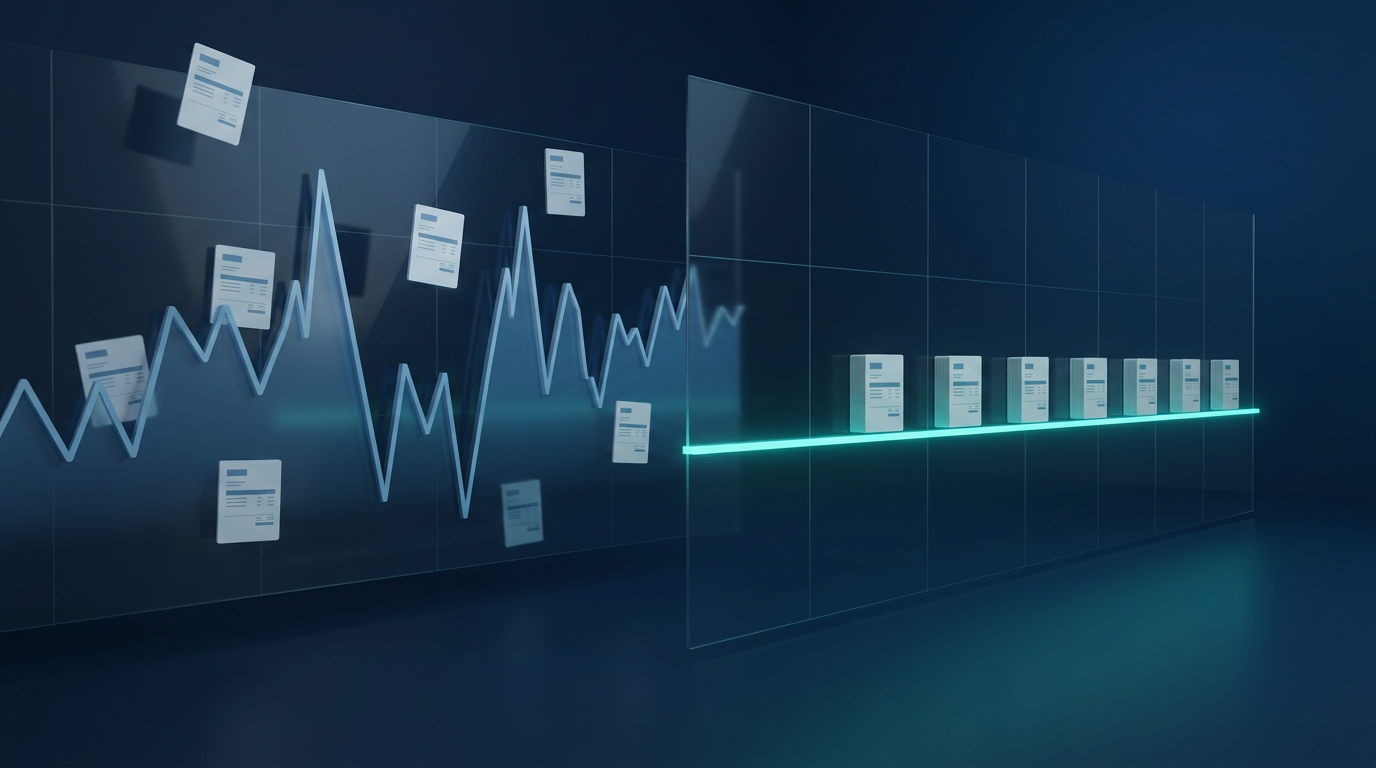
Businesses scale when their cost structure is predictable. That is not a platitude — it is a capital allocation principle. When you know your fixed overhead, you can model growth. When your wordpress support services bill swings between $400 and $3,200 per month depending on what breaks, you cannot plan anything.
- Hourly model cost variance: Up to 8× swing month to month depending on what breaks.
- Resolution model cost variance: $0. Your bill does not change.
- Avg. unplanned support spend: 34% of annual tech budget for hourly clients.
Predictable overhead is a growth enabler. When your WordPress infrastructure cost is a flat, known line item, every dollar above that threshold can be allocated to acquisition, product, or team. Hourly billing makes “budgeting for growth” a fiction — because you are always one bad plugin update away from a $2,000 emergency invoice.
The resolution-based model doesn’t just save you money on individual incidents. Moreover, it transforms support from a variable cost into a fixed operational expense. That shift alone changes how your finance team models the business.
Quick Patches vs. Permanent Fixes in WordPress Support Services
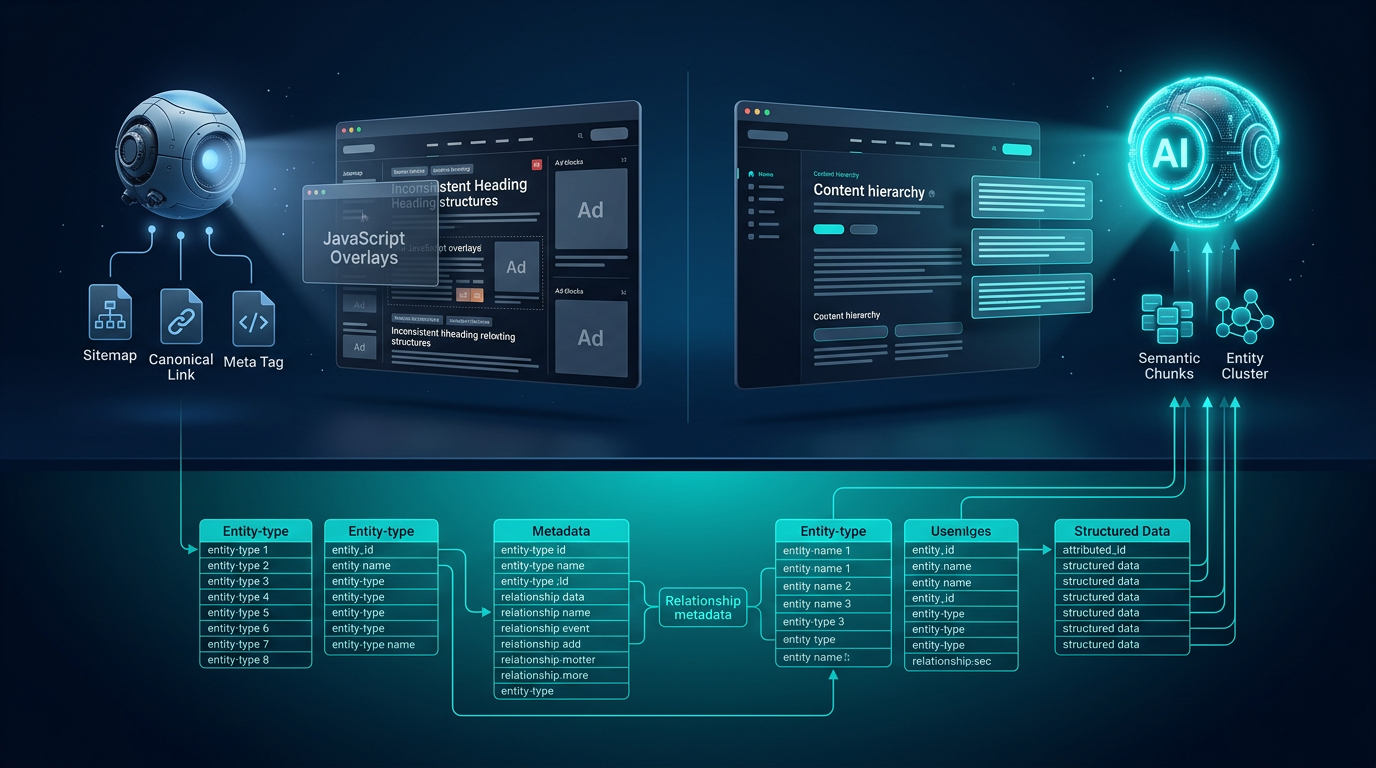
Here is a conversation that happens every day in wordpress support services on hourly retainers:
Client: “Can you fix this checkout bug?”
Developer: “Yep, want the quick fix or the full rebuild?”
Client: “How much is the full rebuild?”
Developer: “Probably 6 hours.”
Client: “Do the quick fix.”
That quick fix gets applied. The client saves $600 today. Six months later, the same bug resurfaces in a slightly different form. Another patch. Another invoice. This is technical debt accumulation in slow motion — and the hourly model actively funds it.
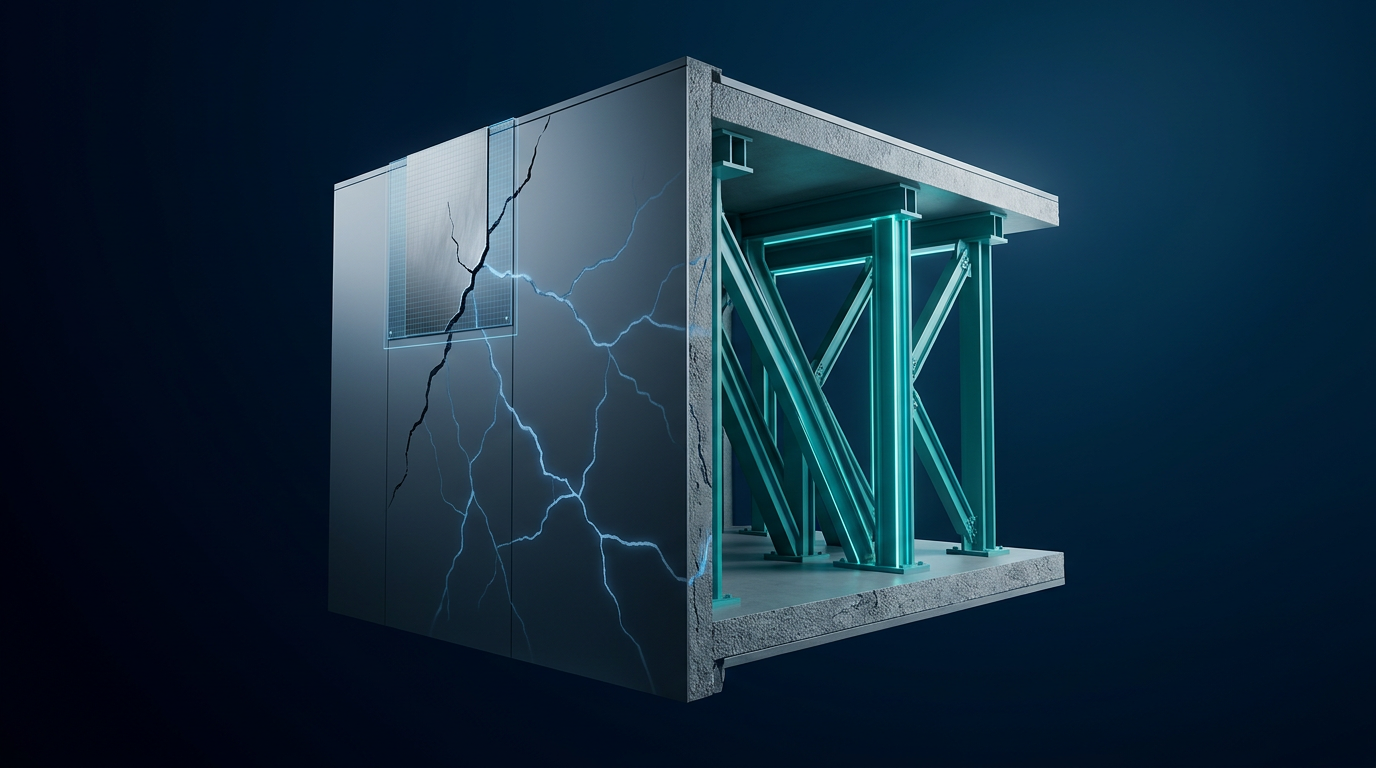
In a resolution-based model, however, the incentive structure inverts. We are financially motivated to fix the problem permanently the first time, because if it resurfaces, we absorb the cost of fixing it again. There is no scenario where a shallow patch serves our interests. Every corner we cut becomes a future liability on our balance sheet, not yours.
This is outcome-driven engineering at the operational level — not as a marketing phrase, but as a literal financial reality baked into our contract structure.
WordPress Support Services Compared: The Full Breakdown
| Hourly Billing | Standard Retainer | WPscaleops Resolution-Based | |
|---|---|---|---|
| Cost predictability | Wildly variable. Spikes every time something breaks. | Fixed fee, but often capped with overages. | Flat, fixed, no surprises. Ever. |
| Provider motivation | Rewarded for time spent, not problems solved. | Motivated to fill hours, not outcomes. | Motivated to resolve fast and permanently. |
| Speed of resolution | “Thorough audits” slow fixes down. More hours = more revenue. | Depends on team load and priority queue. | Pre-built frameworks mean faster diagnosis and resolution. |
| Fix quality | Quick patches are common to stay within client budget. | Varies. Deep fixes require extra approval and budget. | Permanent fixes are in our financial interest, not just yours. |
| Technical debt risk | High. Patch-on-patch compounds over time. | Medium. Depends on provider discipline. | Low. We inherit the cost of bad fixes. |
| Budget planning | Impossible. Every month is a different number. | Partially predictable, until overage kicks in. | Fully predictable. Fixed overhead enables growth modeling. |
| Incentive alignment | None. Their revenue increases as your problem worsens. | Partial. Relationship motivation, not structural. | Complete. We win when you have zero issues, not more of them. |
Operational Efficiency in WordPress Support Services Is the Model
Most conversations about wordpress support services focus on what’s included — tickets, response times, uptime SLAs. Those are table stakes. The more important conversation is about what the model structurally incentivizes.
A developer on an hourly contract who spends 3 hours on your problem instead of 12 just cost themselves $900. That is not an abstract risk — that is a real financial decision they make every time they scope a fix. The model you sign changes the decisions made on your behalf, invisibly, every single day.
Resolution-based engineering doesn’t just change what you pay. It changes what you get. Fewer recurring issues. Lower total cost of ownership. A technical infrastructure that actually improves over time rather than accumulating layers of debt and duct-taped patches.
Frequently Asked Questions About WordPress Support Services
What happens if wordpress support services take 20 hours to fix an issue?
The client pays the same flat rate. We absorb the complexity cost, not you. That is the entire point of the model. If we scope a fix incorrectly or hit unexpected infrastructure issues, that is an operational risk we carry. You never get a call saying “this got complicated, we need approval for more hours.” That conversation doesn’t exist in our model.
Do wordpress support services cover new feature development?
Resolution-based support covers the ongoing integrity of your site: performance, uptime, security, bug resolution, and maintenance. New feature development is scoped separately as a project engagement with its own defined deliverables and fixed cost. Maintenance protects what exists. Development builds what doesn’t. Both can be done without hourly ambiguity, but they are different contracts.
How do wordpress support services reduce technical debt?
Technical debt accumulates when fixes are made for budget reasons rather than engineering reasons. In a resolution model, the depth of fix is our decision, not yours — and we choose the permanent solution because a recurring issue costs us time we don’t bill for. Over 12 months, this produces a materially cleaner codebase, fewer cascading failures, and significantly lower total cost.
How do I know I’m not paying for a bloated retainer in wordpress support services?
We provide transparent reporting on every resolution: what was diagnosed, what was fixed, and what preventive action was taken. Our monitoring tools catch and resolve many issues before you even notice them. A site that never goes down looks like “nothing happened.” That is exactly the outcome you are paying for.
Can wordpress support services handle high-traffic WooCommerce sites?
That is precisely where it performs best. High-traffic sites have more surface area for failure, which means more hourly billing exposure in a traditional model. Complex infrastructure is where our internal frameworks generate the most value — pre-built diagnostics for WooCommerce performance bottlenecks, checkout failures, inventory sync issues, and server-level scaling problems.
The Bottom Line on WordPress Support Services
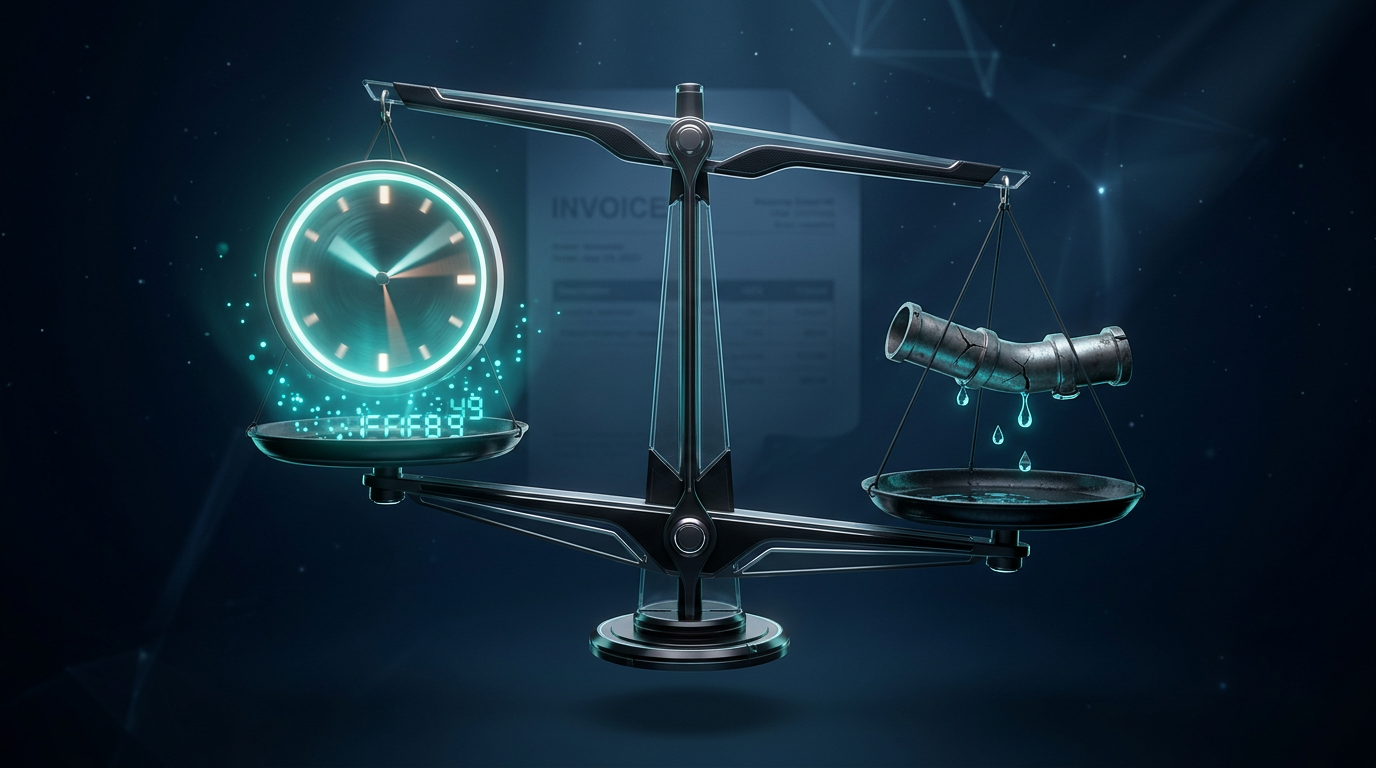
The hourly billing model was built for an era when development work was unpredictable and expertise was scarce. Neither of those things is as true anymore — especially not for wordpress support services where the failure patterns are well-documented and the solutions are repeatable.
What isn’t repeatable is the amount of money businesses continue to hand over for the privilege of funding someone else’s learning curve, on their dime, on their clock.
You don’t need more hours logged. You need fewer problems. And the model you choose is the single biggest variable determining which one you get.
At WPscaleops, we built our entire operation around that principle. The risk sits with us. The predictability sits with you. And the outcomes — uptime, speed, clean infrastructure — belong to your business.